Here you can edit the background of the section

How Does Commercial Tile Restoration Work?

What is Commercial Tile Restoration?

Commercial tile restoration cleans, refreshes, and protects tile and grout that have become stained, dirty, or difficult to maintain. Instead of tearing out a floor that may still have years of useful life, restoration works with the tile and grout already in place.

The process removes embedded soil, refreshes discolored grout and worn tile, and adds protection against future buildup.


How Does Commercial Tile Restoration Work?

The SaniGLAZE system uses three main steps to clean, restore, and protect commercial tile and grout. 
 

Step 1 - The SaniGLAZE Process

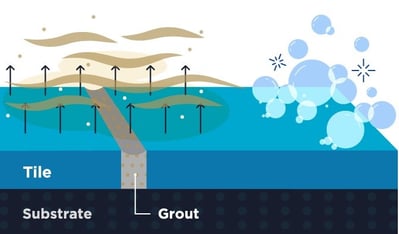
1. Deep Clean and Extract Embedded Soil

Commercial floors pick up more soil than routine mopping can remove. Dirt and other contaminants can work their way into porous grout and build up through years of use. Extraction removes that buildup and prepares the tile and grout for the next steps..


2. Restore the GroutStep 2 - The SaniGLAZE Process
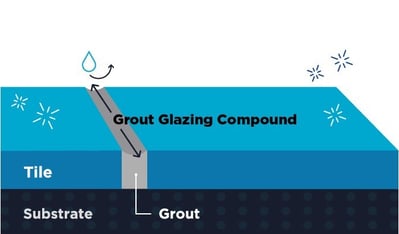
After cleaning, SaniGLAZE applies its specially formulated Grout Glazing Compound to the grout. The treatment bonds to the grout to refresh its appearance and add protection.


3. Apply a Protective CoatingStep 3 - The SaniGLAZE Process
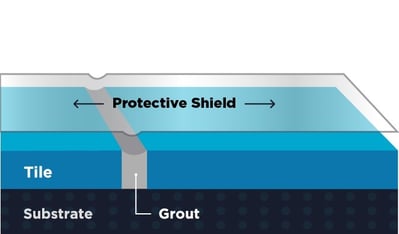
The final step is a protective coating applied to the restored tile and grout.
SaniGLAZE offers clear and tinted options based on the desired appearance.  The coating helps keep future soil and contaminants on top of the tile and grout, where routine cleaning can remove them.
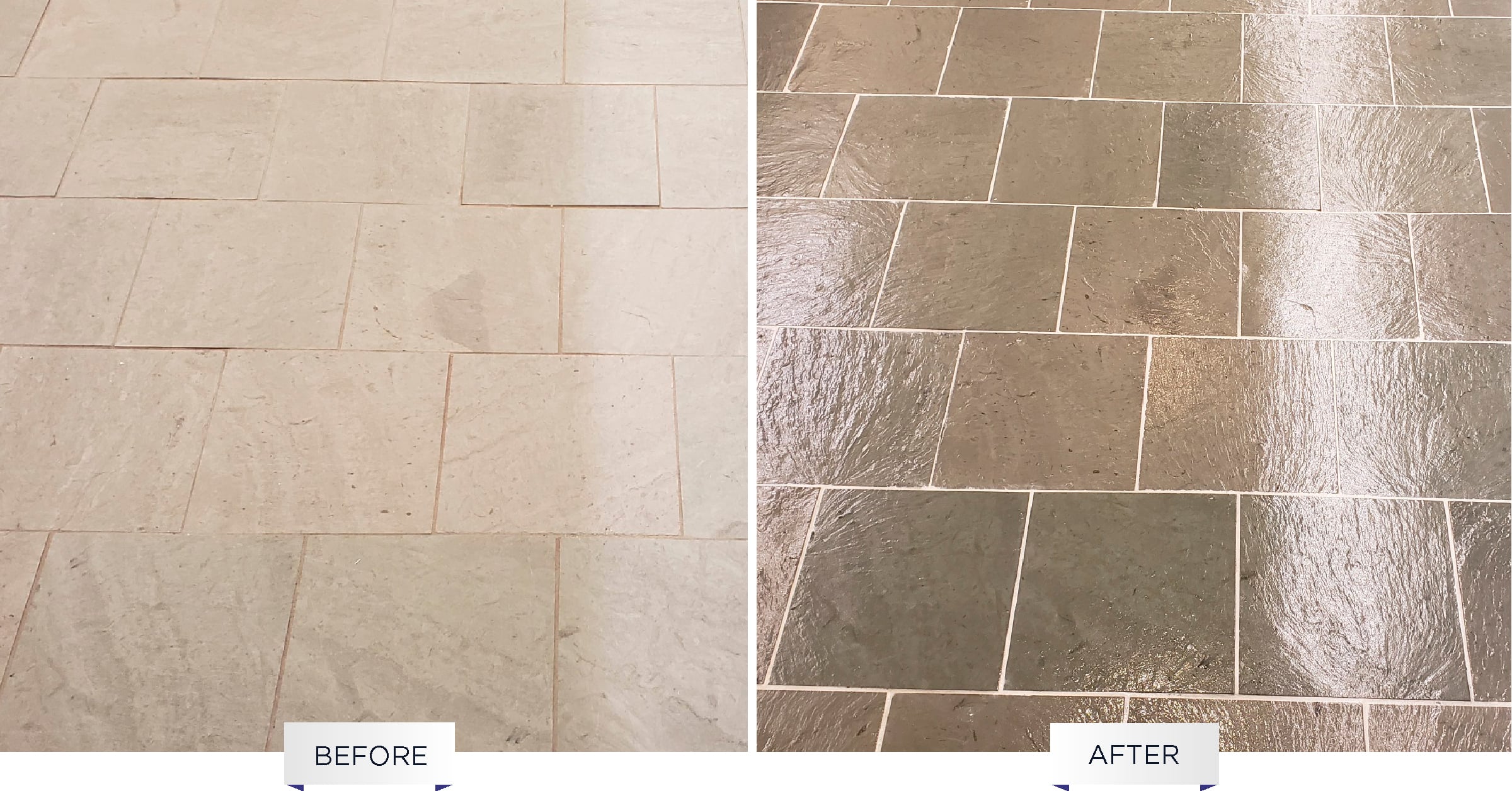
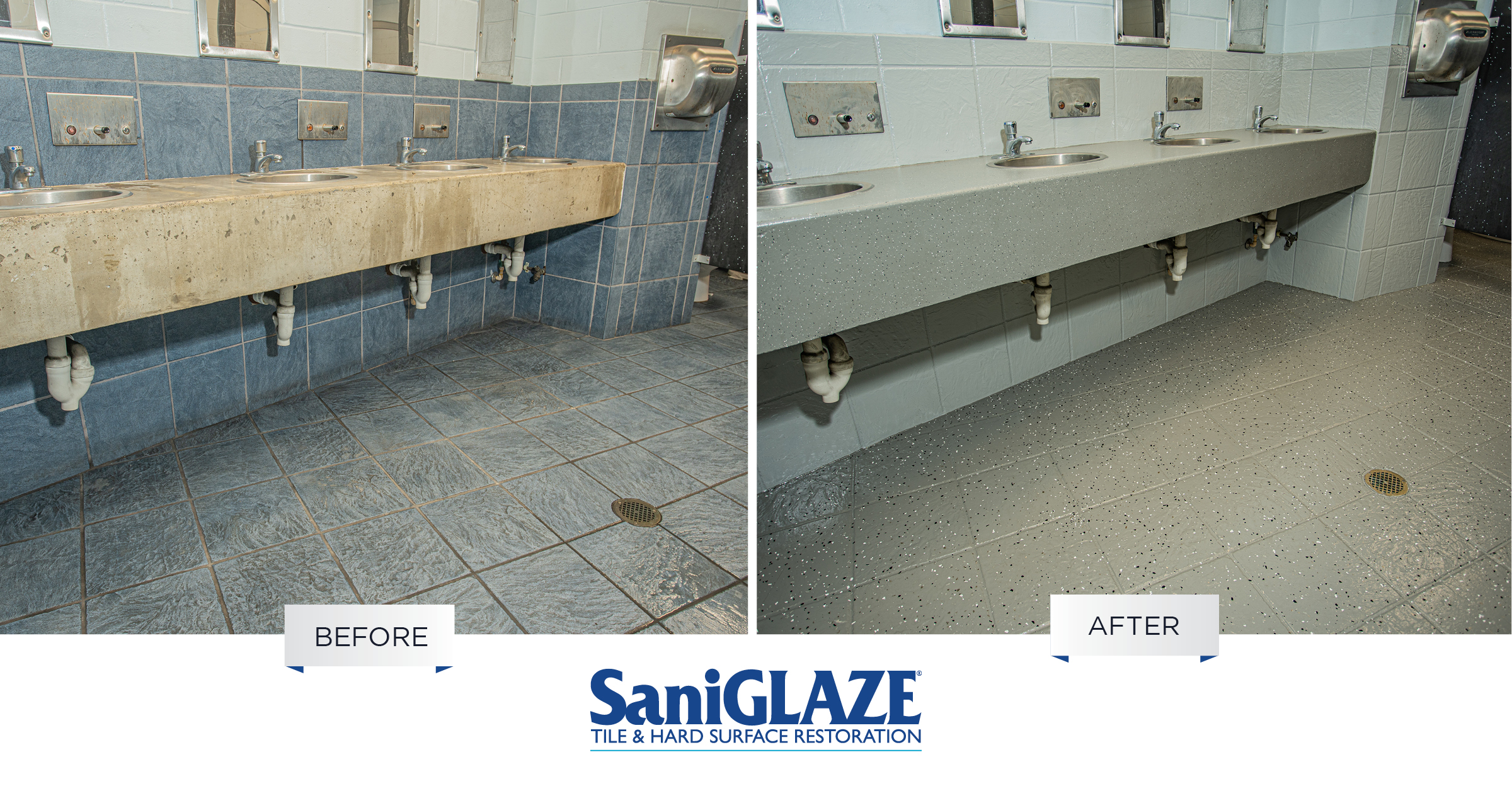
 

What's the Difference Between Tile Cleaning and Tile Restoration? 

Routine cleaning is part of day-to-day facility maintenance. Tile restoration goes further, addressing buildup and grout that routine cleaning may not resolve.

Tile Cleaning

Tile Restoration

Removes everyday dirt and buildup

Removes embedded soil and contaminants

Part of routine maintenance

Deeper treatment for aging tile and grout

Cleans the tile and grout

Cleans, restores, and protects

Doesn't restore deteriorated grout

Includes a restorative grout treatment

Needs to be done regularly

Can make ongoing cleaning easier

Can Commercial Tile Be Restored Instead of Replaced?

Often, yes. If the tile is still in good structural condition, restoration may offer an alternative to tearing out the floor and starting over.

Because the tile stays in place, there may be less demolition, disposal, and disruption than with a full replacement project.

Replacement may still be necessary when tile is cracked or loose, the underlying material has serious problems, or the facility wants a completely different flooring material.

Where Is Commercial Tile Restoration Used?

Commercial tile and grout take a beating in places with heavy foot traffic, moisture, spills, and frequent cleaning.

SaniGLAZE restoration can be used in:

  • Restrooms and locker rooms
  • Healthcare facilities
  • Schools and universities
  • Restaurants and food-service areas
  • Office buildings
  • Retail spaces
  • Fitness facilities
  • Government buildings
  • Lobbies and common areas
  • High-traffic corridors

The treatment depends on the tile, grout, condition, and use of the space.

Can Commercial Tile Be Recolored?

Depending on the tile and desired result, SaniGLAZE offers clear and tinted treatment options. A clear coating can refresh the look of existing tile, while a tinted treatment can change the color of tile and grout.

For facilities that want to update the look of a serviceable floor, color treatment may offer an alternative to replacement.

Is Commercial Tile a Good Candidate for Restoration?

The condition of the tile and grout is the starting point.

Restoration may make sense when:

  • The tile is still structurally sound.
  • The floor looks stained, dirty, or worn despite regular cleaning.
  • Grout has become discolored or difficult to clean.
  • The facility wants to extend the floor's useful life without the demolition and downtime of replacement.
  • The goal is to improve the appearance without removing the tile.

Replacement may make more sense when:

  • Tile is cracked or loose.
  • The underlying surface has significant damage.
  • The material is too far gone to restore.
  • The facility wants a completely different floor.

SaniGLAZE can evaluate the floor and recommend the appropriate approach.

Frequently Asked Questions About Commercial Tile & Grout Restoration

Can commercial tile and grout be restored without replacement?
Often, yes. If the tile and underlying material are in good condition, restoration can clean, refresh, and protect the floor without removing the tile. 
How does commercial tile restoration work?

The SaniGLAZE system has three main steps: deep cleaning and extraction, grout restoration, and protective coating. The exact treatment depends on the tile, grout, and condition of the floor.

What's the difference between tile cleaning and tile restoration?

Cleaning is part of regular facility maintenance and removes everyday dirt and buildup. Restoration goes further by removing embedded soil, treating the grout, and adding protection. 

Can stained grout be restored?

In many cases, yes. SaniGLAZE removes embedded soil before applying its Grout Glazing Compound. The condition of the grout determines what can be restored. 

How much does commercial tile restoration cost?

Pricing depends on the size and condition of the floor, tile and grout type, level of buildup, and treatment required. A consultation can help determine the scope and cost of a specific project.

Could Your Commercial Tile & Grout Be Restored? 

If your tile and grout look worn, stained, or difficult to keep clean, replacement isn't necessarily the only option.

A SaniGLAZE service provider in your area can perform a free on-site assessment and recommend the right treatment for your facility.

Schedule A Consultation
Here you can edit the background of the section